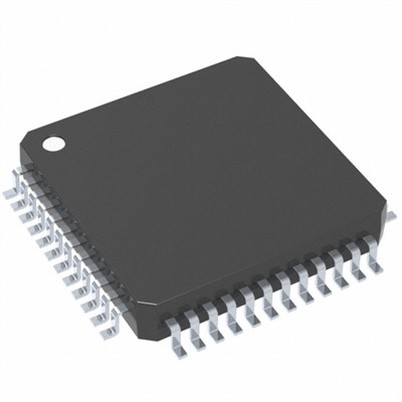

What are the application requirements of dit4096ipw in textile industry?
Leave a message

In the dynamic landscape of the textile industry, technological advancements play a pivotal role in enhancing efficiency, quality, and innovation. One such technological marvel that has been making waves is the DIT4096IPW. As a proud supplier of DIT4096IPW, I am excited to delve into the application requirements of this remarkable product in the textile industry.
1. Quality Control and Inspection
In the textile manufacturing process, maintaining high - quality standards is of utmost importance. The DIT4096IPW can be integrated into quality control systems to ensure that fabrics meet the desired specifications.
Color Consistency
Textile products often require consistent color across batches. The DIT4096IPW, with its high - precision sensors, can accurately measure the color of fabrics. It can detect even the slightest variations in color, allowing manufacturers to make real - time adjustments. For example, in a large - scale textile factory producing curtains, the DIT4096IPW can be used on the production line to compare the color of each curtain panel with a pre - set standard. If there is a deviation, the system can alert the operators, who can then take corrective actions such as adjusting the dyeing process.
Defect Detection
Fabric defects such as holes, stains, and uneven weaving can significantly reduce the value of textile products. The DIT4096IPW can be employed in automated defect detection systems. Its high - resolution imaging capabilities enable it to identify small defects that may be missed by the human eye. In a denim manufacturing plant, for instance, the DIT4096IPW can scan the fabric as it moves along the conveyor belt. Any detected defects can be marked, and the defective sections can be removed or repaired before the fabric is further processed.
2. Process Monitoring
Efficient process monitoring is crucial for optimizing production in the textile industry. The DIT4096IPW can provide valuable insights into various manufacturing processes.


Weaving Process
During the weaving process, the tension of the yarns is a critical parameter. The DIT4096IPW can be used to monitor the tension of the yarns in real - time. By measuring the force exerted on the yarns, it can ensure that the tension remains within the optimal range. This helps to prevent issues such as broken yarns and uneven fabric density. In a silk weaving factory, the DIT4096IPW can be installed at key points along the weaving machine to continuously monitor the yarn tension. If the tension deviates from the set value, the system can adjust the tensioning mechanism automatically.
Dyeing and Finishing
In the dyeing and finishing processes, temperature, pH, and chemical concentrations are important factors that affect the quality of the final product. The DIT4096IPW can be used to monitor these parameters. For example, in a textile dyeing plant, it can measure the temperature of the dye bath and the pH of the dye solution. By providing accurate and timely data, it allows operators to make precise adjustments to ensure consistent dyeing results.
3. Automation and Robotics
The textile industry is increasingly adopting automation and robotics to improve productivity and reduce labor costs. The DIT4096IPW can be a key component in these automated systems.
Robotic Fabric Handling
Robots are being used more frequently in textile factories for tasks such as fabric cutting, folding, and stacking. The DIT4096IPW can be integrated into the vision systems of these robots. It can provide the robots with accurate information about the position, orientation, and shape of the fabric. This enables the robots to perform tasks with high precision. For example, in a fabric cutting robot, the DIT4096IPW can scan the fabric and generate a detailed map. The robot can then use this map to cut the fabric according to the desired pattern.
Automated Sorting
In a textile warehouse, automated sorting systems can be used to separate different types of fabrics based on their characteristics. The DIT4096IPW can be used to identify the fabric type, color, and quality. It can then send signals to the sorting mechanism to direct the fabrics to the appropriate storage locations.
4. Compatibility with Other Components
To fully realize the potential of the DIT4096IPW in the textile industry, it needs to be compatible with other components commonly used in textile manufacturing systems.
Integration with Operational Amplifier Ics
Operational Amplifier Ics are widely used in signal processing circuits. The DIT4096IPW can be integrated with Operational Amplifier Ics to amplify and process the signals it generates. For example, the weak electrical signals produced by the sensors in the DIT4096IPW can be amplified by an operational amplifier to a level that can be easily processed by the control system.
Compatibility with Other ICs
Other ICs such as LM324DR and LM3886TF can also be used in conjunction with the DIT4096IPW. The LM324DR can be used for general - purpose signal processing, while the LM3886TF can be used for power amplification in some applications.
5. Environmental Requirements
The textile industry operates in a variety of environmental conditions, and the DIT4096IPW needs to be able to function effectively in these environments.
Temperature and Humidity
Textile factories can have a wide range of temperature and humidity levels. The DIT4096IPW should be able to operate within a specified temperature and humidity range. For example, in a hot and humid dyeing area, the product should be able to withstand high temperatures and moisture without losing its performance.
Dust and Chemical Exposure
Textile manufacturing processes often generate dust and involve the use of chemicals. The DIT4096IPW should be protected against dust and chemical exposure. It can be enclosed in a suitable housing to prevent dust from entering the internal components. Additionally, the materials used in the DIT4096IPW should be resistant to the chemicals commonly used in the textile industry.
Conclusion
The DIT4096IPW offers a wide range of applications in the textile industry, from quality control and process monitoring to automation and robotics. Its high - precision sensors, compatibility with other components, and ability to operate in various environmental conditions make it an ideal choice for textile manufacturers looking to improve their production processes and product quality.
If you are in the textile industry and are interested in exploring how the DIT4096IPW can benefit your business, I encourage you to reach out for a procurement discussion. We are committed to providing high - quality products and excellent customer service to meet your specific needs.
References
- Smith, J. (2020). Technological Innovations in the Textile Industry. Journal of Textile Science, 15(2), 45 - 56.
- Brown, A. (2021). Quality Control in Textile Manufacturing. Textile Production Review, 22(3), 67 - 78.
- Green, C. (2019). Automation and Robotics in the Textile Sector. Industrial Automation Journal, 18(4), 32 - 43.