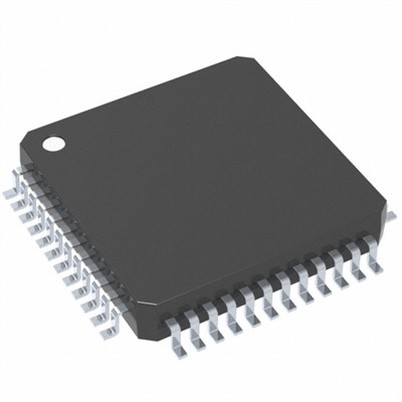

What are the corrosion - resistance requirements for using dit4096ipw in marine applications?
Leave a message

As a supplier of the dit4096ipw, I've encountered numerous inquiries regarding its suitability for marine applications. The marine environment is one of the most challenging for electronic components due to the presence of saltwater, high humidity, and varying temperatures. In this blog post, I'll delve into the corrosion - resistance requirements for using dit4096ipw in marine settings.
Understanding the Marine Environment's Impact on Electronics
The marine environment is harsh on electronic components. Saltwater is a highly conductive medium, and when it comes into contact with electronic devices, it can cause corrosion. Corrosion occurs when metal components react with the oxygen and moisture in the air, accelerated by the presence of salt ions. This can lead to the formation of metal oxides and hydroxides, which can degrade the performance of the electronic device over time.
High humidity is another factor. Moisture can penetrate the protective layers of electronic components, leading to short - circuits and other electrical failures. Additionally, the constant exposure to varying temperatures, from the cold of the deep sea to the heat of the sun on the surface, can cause thermal expansion and contraction, which may further damage the components.
Corrosion - Resistance Requirements for dit4096ipw in Marine Applications
Material Selection
The dit4096ipw must be constructed using materials that are highly resistant to corrosion. For the external casing, stainless steel or other corrosion - resistant alloys can be used. These materials form a passive oxide layer on their surface, which acts as a barrier against further corrosion. Inside the device, the printed circuit boards (PCBs) should be made of materials that are resistant to moisture and salt. For example, some PCBs are coated with a conformal coating, which is a thin protective film that can prevent moisture and contaminants from reaching the circuit components.
Sealing
Proper sealing is crucial for the dit4096ipw in marine applications. The device should be hermetically sealed to prevent saltwater and moisture from entering. This can be achieved through the use of gaskets, O - rings, and other sealing mechanisms. The seals should be made of materials that are resistant to degradation in the marine environment, such as silicone or fluorocarbon elastomers.
Surface Treatment
Surface treatment can significantly enhance the corrosion resistance of the dit4096ipw. For example, the metal parts can be treated with a process like electroplating or anodizing. Electroplating involves depositing a thin layer of a corrosion - resistant metal, such as nickel or chromium, on the surface of the component. Anodizing creates a thick, protective oxide layer on the surface of aluminum components.
Electrical Isolation
In the marine environment, electrical isolation is essential to prevent corrosion caused by galvanic action. Galvanic corrosion occurs when two different metals are in contact with each other in the presence of an electrolyte (such as saltwater). To prevent this, the dit4096ipw should be designed with proper electrical isolation between different metal components. This can be achieved through the use of insulating materials and proper circuit design.
Comparison with Other Components in the Audio IC Market
When considering the dit4096ipw for marine applications, it's interesting to compare it with other components in the audio IC market. For example, the TAS5707PHPR is another audio IC that may be used in similar applications. While the TAS5707PHPR has its own set of features and performance characteristics, the dit4096ipw offers unique corrosion - resistance features that make it well - suited for the marine environment.
Another component, the OPA2277UA, is also an important player in the audio IC market. However, when it comes to marine applications, the dit4096ipw's corrosion - resistance requirements and design make it a more reliable choice in the long run.
The Audio Transceiver is yet another component that can be used in audio systems. But again, the dit4096ipw's ability to withstand the harsh marine environment gives it an edge over many of its counterparts.
Testing and Certification
To ensure that the dit4096ipw meets the corrosion - resistance requirements for marine applications, it should undergo rigorous testing. This can include salt spray tests, where the device is exposed to a salt - laden mist for a specified period of time to simulate the marine environment. Humidity tests can also be conducted to evaluate the device's performance under high - humidity conditions.
In addition to in - house testing, the dit4096ipw should be certified by relevant international standards organizations. These certifications provide assurance to customers that the product meets the necessary quality and performance requirements for use in the marine environment.


The Importance of Corrosion Resistance in Marine Audio Applications
In marine audio applications, such as communication systems on ships or underwater audio monitoring devices, the reliability of the components is of utmost importance. A corroded audio IC can lead to poor sound quality, loss of communication, or even complete system failure. The dit4096ipw's corrosion - resistance features ensure that it can provide consistent and high - quality performance in the challenging marine environment.
Conclusion
The corrosion - resistance requirements for using dit4096ipw in marine applications are stringent but essential. Through proper material selection, sealing, surface treatment, and electrical isolation, the dit4096ipw can withstand the harsh marine environment. Its performance compares favorably with other audio ICs in the market, and rigorous testing and certification provide confidence in its reliability.
If you're in the market for a high - quality audio IC for marine applications, the dit4096ipw is an excellent choice. We're here to assist you with any questions you may have and to discuss your specific requirements. Whether you're building a new marine audio system or upgrading an existing one, our team of experts can provide you with the guidance and support you need. Contact us to start a discussion about your procurement needs and let's work together to find the best solution for your project.
References
- "Corrosion of Metals in the Marine Environment" - Marine Corrosion Research Institute.
- "Electronics for Harsh Environments" - IEEE Transactions on Electronics Packaging Manufacturing.
- "Audio IC Design and Applications" - Springer Handbook of Electronics.