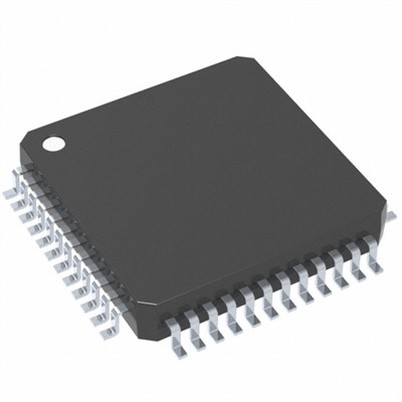

How to use LM358AD in a current - to - voltage converter circuit?
Leave a message

Hey there, electronics enthusiasts! As a supplier of the LM358AD, I'm super stoked to walk you through how to use this awesome op - amp in a current - to - voltage converter circuit.
First off, let's get a bit of background on the LM358AD. It's a dual operational amplifier, which means it's got two op - amps in one package. This little guy is really versatile and can be used in a whole bunch of different circuits. It's got a wide power supply range, low power consumption, and pretty good performance for a relatively inexpensive part.
Now, let's dive into the current - to - voltage converter circuit. The basic idea behind a current - to - voltage converter is to take an input current and convert it into an output voltage. This is super useful in a lot of applications, like measuring the current flowing through a sensor or a load.
Circuit Basics
The most basic current - to - voltage converter circuit using the LM358AD is a transimpedance amplifier. In this circuit, the input current is fed into the inverting input of the op - amp, and the output voltage is proportional to the input current.
Here's a simple step - by - step guide to setting up the circuit:
- Power Supply: Connect the positive and negative power supply pins of the LM358AD to your power source. Make sure you're within the recommended voltage range for the LM358AD. Usually, it can handle a wide range from a few volts up to around 30 volts.
- Input Current: Feed the input current into the inverting input (pin 2 for the first op - amp in the LM358AD). The non - inverting input (pin 3) is usually grounded.
- Feedback Resistor: Connect a feedback resistor between the output (pin 1) and the inverting input (pin 2). This resistor is what determines the gain of the circuit. The output voltage is given by the formula (V_{out}=-I_{in}\times R_f), where (I_{in}) is the input current and (R_f) is the feedback resistor.
Choosing Components
- Feedback Resistor: The value of the feedback resistor depends on the range of input currents you expect and the output voltage range you want. If you expect a large input current, you'll want a smaller feedback resistor to keep the output voltage within a reasonable range. Conversely, for small input currents, a larger feedback resistor will give you a larger output voltage.
- Power Supply Decoupling Capacitors: It's a good idea to add some decoupling capacitors between the power supply pins and ground. These capacitors help filter out any noise on the power supply and keep the op - amp stable. A typical value for these capacitors is around 0.1 μF.
Practical Considerations
- Offset Voltage: The LM358AD has a small offset voltage, which means that even when there's no input current, there might be a small output voltage. You can compensate for this offset voltage by adding a small resistor in series with the non - inverting input or by using a trimmer potentiometer.
- Bandwidth: The bandwidth of the LM358AD is limited. If you're working with high - frequency input currents, you might need to choose a different op - amp with a higher bandwidth. For example, the OPA2277UA has a much higher bandwidth and might be a better choice for high - frequency applications.
Comparing with Other Op - Amps
There are a lot of other op - amps out there, and it's worth comparing the LM358AD with some of them.
- LM324DR: The LM324DR is another popular quad operational amplifier. It's similar to the LM358AD in many ways, but it has four op - amps in one package instead of two. If you need multiple current - to - voltage converters in one circuit, the LM324DR might be a better choice.
- LM3886TF: The LM3886TF is a power amplifier, which is quite different from the LM358AD. It's designed to drive speakers and deliver high - power audio signals. While it's not typically used in a current - to - voltage converter circuit, it's a great option if you're working on an audio project.
Troubleshooting
If you're having problems with your current - to - voltage converter circuit, here are some common issues and solutions:
- No Output Voltage: Check your power supply connections to make sure the LM358AD is getting power. Also, check your input current source and make sure it's working properly.
- Output Voltage is Too High or Too Low: Double - check the value of your feedback resistor. If the output voltage is too high, try reducing the value of the feedback resistor. If it's too low, increase the value of the feedback resistor.
- Oscillations: Oscillations can occur if the circuit is unstable. Try adding a small capacitor in parallel with the feedback resistor to stabilize the circuit.
Applications
The current - to - voltage converter circuit using the LM358AD has a ton of applications:


- Sensor Interface: Many sensors, like photodiodes and current - mode sensors, output a current signal. You can use the LM358AD to convert this current signal into a voltage signal that can be easily measured by a microcontroller or an analog - to - digital converter.
- Battery Charger Monitoring: You can use the circuit to monitor the charging current of a battery. By measuring the charging current, you can ensure that the battery is being charged safely and efficiently.
Conclusion
Using the LM358AD in a current - to - voltage converter circuit is a great way to get accurate voltage measurements from current sources. It's a simple and cost - effective solution that can be used in a wide range of applications.
If you're interested in purchasing the LM358AD or have any questions about using it in your circuit, don't hesitate to reach out. We're here to help you with all your electronics component needs and ensure that your projects are a success.
References
- "The Art of Electronics" by Paul Horowitz and Winfield Hill
- LM358AD datasheet