
What is the difference between a Photo Coupled SSR and a traditional relay?
Leave a message

Hey there! As a supplier of Photo Coupled Solid - State Relays (SSR), I often get asked about the differences between Photo Coupled SSRs and traditional relays. So, I thought I'd write this blog to break it all down for you.
Let's start with traditional relays. You've probably seen these things around a lot. They're the classic electromechanical devices that use an electromagnet to physically move a set of contacts. When you apply a current to the coil of the relay, it creates a magnetic field. This magnetic field then pulls or pushes the contacts to either make or break an electrical connection.


One of the big pluses of traditional relays is their ability to handle high currents and voltages. They've been around for ages and are well - established in many industries. For example, in industrial machinery where you need to switch large amounts of power, traditional relays can do the job. They're also relatively simple in design, which means they're often cheaper to manufacture. So, if you're on a tight budget and need a basic switching solution, a traditional relay might be your go - to.
But here's the deal. Traditional relays also have some drawbacks. First off, they have moving parts. And as you can imagine, moving parts wear out over time. The contacts can get pitted, corroded, or just plain worn down from all the opening and closing. This not only shortens the lifespan of the relay but can also lead to unreliable operation.
Another issue is their speed. Traditional relays are pretty slow when it comes to switching. It takes time for the electromagnet to build up the magnetic field and move the contacts. In applications where you need fast switching, like in some electronic circuits or control systems, this slowness can be a real problem.
Now, let's talk about Photo Coupled SSRs. These are a bit more high - tech. A Photo Coupled SSR uses an opto - coupler to isolate the input and output circuits. The opto - coupler consists of an LED and a photosensitive device. When you apply a voltage to the input, the LED emits light, and the photosensitive device on the other side detects this light and switches the output circuit accordingly.
One of the major advantages of Photo Coupled SSRs is their speed. They can switch on and off much faster than traditional relays. This makes them ideal for applications where rapid switching is required, such as in frequency converters or in some types of automation systems.
Another great thing about Photo Coupled SSRs is that they have no moving parts. Since there are no moving parts, there's no mechanical wear and tear. This means they have a much longer lifespan compared to traditional relays. You don't have to worry about the contacts wearing out or getting damaged over time, which makes them a more reliable choice in the long run.
In terms of electrical isolation, Photo Coupled SSRs are also superior. The opto - coupler provides excellent isolation between the input and output circuits. This is important in applications where you need to protect sensitive electronic components from high - voltage spikes or electrical noise.
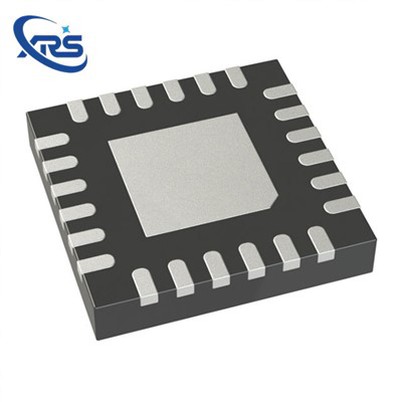
Let's take a look at some specific models. The DPST SSR is a great example of a Photo Coupled SSR. It offers double - pole, single - throw switching capabilities, which can be very useful in many electrical circuits. The CPC1002N is another popular option. It's known for its high - speed switching and low power consumption. And the AQY280SX is a reliable choice for applications that require high - voltage switching.
However, Photo Coupled SSRs aren't perfect either. One of the main drawbacks is their cost. They're generally more expensive than traditional relays. This is because of the more complex technology involved in their design and manufacturing. Also, they usually have a lower current - handling capacity compared to traditional relays. So, if you need to switch extremely high currents, a Photo Coupled SSR might not be the best option.
In summary, if you need a simple, low - cost switching solution for applications that don't require high - speed switching or excellent electrical isolation, a traditional relay could work for you. But if you're looking for a long - lasting, fast - switching, and well - isolated solution, then a Photo Coupled SSR is the way to go.
If you're interested in learning more about Photo Coupled SSRs or are thinking about making a purchase, I'd love to have a chat with you. Whether you're working on a small DIY project or a large - scale industrial application, we can find the right Photo Coupled SSR for your needs. Reach out to me, and we can start a discussion about your requirements and see how we can help you get the best switching solution.
References
- General knowledge of electrical engineering and relay technology.
- Product specifications and technical data of various relays and SSRs.