
Can an Audio IC be used for voice recording?
Leave a message

Can an Audio IC be used for voice recording?
As an Audio IC supplier, I often encounter inquiries about the diverse applications of our products. One question that frequently arises is whether an Audio IC can be used for voice recording. In this blog, we'll explore this topic in detail, shedding light on the capabilities and limitations of Audio ICs in the context of voice recording.
Understanding Audio ICs
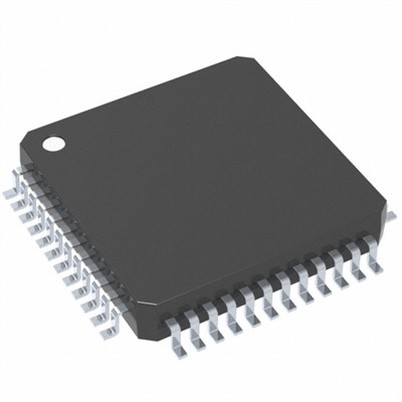
Audio Integrated Circuits (ICs) are specialized chips designed to process audio signals. They come in various types, each tailored to specific audio - related tasks. Some common types include operational amplifiers (such as the LM358DR), audio transceivers (Audio Transceiver), and IC line drivers (IC Line Driver). These ICs are the building blocks of audio systems, responsible for tasks like amplification, filtering, and signal conditioning.
The Basics of Voice Recording
Before delving into whether Audio ICs can be used for voice recording, it's essential to understand the basic components of a voice - recording system. A typical voice - recording setup consists of a microphone to capture sound, an analog - to - digital converter (ADC) to convert the analog audio signal into a digital format, a storage medium (such as a memory card or hard drive) to store the recorded audio, and a playback mechanism.


Audio ICs in Voice Recording
Signal Amplification
One of the primary functions of an Audio IC in voice recording is signal amplification. Microphones often produce weak electrical signals that need to be boosted to a level suitable for further processing. Operational amplifiers like the LM358DR are commonly used for this purpose. They can take the low - level signal from the microphone and amplify it to a more usable voltage. This amplification is crucial because a weak signal can lead to poor audio quality, with issues such as low volume and high noise levels.
Filtering and Conditioning
Audio ICs can also perform filtering and signal conditioning tasks. In voice recording, unwanted noise and interference can degrade the quality of the recorded audio. Audio ICs can be configured to filter out these unwanted frequencies. For example, a low - pass filter can be implemented using an IC to remove high - frequency noise, while a high - pass filter can eliminate low - frequency rumble. Signal conditioning ensures that the audio signal is clean and stable before it is converted to a digital format.
Analog - to - Digital Conversion
Some advanced Audio ICs incorporate analog - to - digital converters (ADCs). These ADC - integrated Audio ICs can directly convert the analog audio signal from the microphone into a digital signal, which can then be stored on a digital storage medium. This simplifies the voice - recording system design, as it reduces the need for additional external ADC components.
Advantages of Using Audio ICs for Voice Recording
Compactness
Audio ICs are small in size, which makes them ideal for compact voice - recording devices. For example, in wearable voice recorders or small handheld devices, the use of Audio ICs allows for a more streamlined and portable design.
Cost - Effectiveness
Compared to building a voice - recording system from discrete components, using Audio ICs can be more cost - effective. ICs integrate multiple functions into a single chip, reducing the number of components required and thus lowering the overall cost of the system.
Improved Performance
Audio ICs are designed with advanced audio processing technologies. They can provide better signal - to - noise ratios, lower distortion, and more precise frequency response compared to systems built with discrete components. This results in higher - quality voice recordings.
Limitations and Challenges
Complexity of Design
Designing a voice - recording system using Audio ICs can be complex, especially for those with limited experience in audio engineering. Understanding the datasheets, pin configurations, and electrical characteristics of the ICs requires a certain level of technical knowledge.
Compatibility Issues
There may be compatibility issues between different Audio ICs and other components in the voice - recording system, such as the microphone, ADC, and storage device. Ensuring that all components work together seamlessly is crucial for a successful voice - recording setup.
Power Consumption
Some Audio ICs may consume relatively high power, which can be a concern for battery - powered voice - recording devices. Designers need to carefully select ICs with appropriate power consumption characteristics to ensure long battery life.
Applications of Audio ICs in Voice Recording
Consumer Electronics
In consumer electronics, Audio ICs are widely used in devices such as smartphones, digital voice recorders, and smart speakers. These devices rely on Audio ICs to capture high - quality voice recordings for various purposes, such as note - taking, voice memos, and voice - activated commands.
Professional Audio Equipment
In the professional audio industry, Audio ICs are used in high - end voice - recording equipment, such as studio microphones, audio mixers, and digital audio workstations. The high performance and reliability of Audio ICs are essential for capturing professional - grade voice recordings.
Conclusion
In conclusion, Audio ICs can indeed be used for voice recording. They offer a range of functions, including signal amplification, filtering, and analog - to - digital conversion, which are essential for capturing high - quality voice recordings. While there are some limitations and challenges associated with using Audio ICs in voice - recording systems, the advantages, such as compactness, cost - effectiveness, and improved performance, make them a popular choice in both consumer and professional applications.
If you're interested in using Audio ICs for your voice - recording projects, we'd love to discuss your specific requirements. Our team of experts can provide you with detailed information about our product range and help you select the most suitable Audio ICs for your needs. Feel free to reach out to us to start a procurement discussion.
References
- Horowitz, P., & Hill, W. (1989). The Art of Electronics. Cambridge University Press.
- Van Valkenburg, M. E. (1982). Network Analysis. Prentice - Hall.