
Are there any regulations for using audio transceivers?
Leave a message

Hey there! As a supplier of Audio Transceivers, I often get asked about the regulations surrounding their use. It's a crucial topic, especially for those who are new to the world of audio equipment or are looking to expand their product line. So, let's dive right in and explore the ins and outs of using audio transceivers.
First off, what exactly is an Audio Transceiver? Well, in simple terms, it's a device that can both transmit and receive audio signals. These nifty gadgets are used in a wide range of applications, from walkie - talkies and intercom systems to wireless audio setups. You can check out more about them on our website Audio Transceiver.
Now, when it comes to regulations, they vary depending on where you are in the world. In the United States, the Federal Communications Commission (FCC) plays a major role in regulating the use of audio transceivers. The FCC has set rules to ensure that these devices don't cause interference with other radio frequency (RF) services. For instance, if you're using a wireless audio transceiver, it has to operate within specific frequency bands that the FCC has allocated for such use.
One of the key things the FCC looks at is the power output of the audio transceiver. If the device emits too much power, it can interfere with other important communication systems, like emergency services or aviation communications. So, manufacturers have to make sure that their audio transceivers comply with the FCC's power limits. This is not just a matter of following the law; it's also about being a responsible player in the communication ecosystem.
In Europe, the situation is a bit different. The European Union has its own set of regulations under the Radio Equipment Directive (RED). Similar to the FCC, the RED aims to ensure that audio transceivers and other radio equipment are safe to use, don't cause interference, and meet certain performance standards. Manufacturers need to get their products certified under the RED to sell them in the European market.
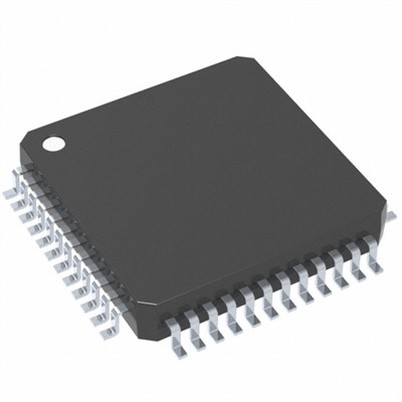
When it comes to components used in audio transceivers, things can get a bit technical. For example, some of the popular integrated circuits used in audio transceivers are the LM358DR and the TAS5707PHPR. These ICs play a vital role in the functionality of the audio transceiver, but they also need to comply with the relevant regulations. Component manufacturers have to ensure that their products meet the electrical safety and RF requirements set by the regulatory bodies.
Another aspect of regulations is related to privacy and security. Since audio transceivers are used to transmit and receive audio, there are concerns about eavesdropping and unauthorized access. In many countries, there are laws in place to protect the privacy of audio communications. For example, it's illegal to intercept someone's audio transmission without their consent in most jurisdictions. As a supplier, we make sure that our audio transceivers have built - in security features to prevent such unauthorized access.


Let's talk about the certification process. Getting a product certified can be a bit of a hassle, but it's a necessary step. Manufacturers usually have to submit their audio transceivers to independent testing laboratories. These labs will test the device against the relevant regulations, such as the FCC rules in the US or the RED in Europe. The tests can include things like measuring the RF emissions, checking the power output, and verifying the electrical safety of the device.
Once the product passes all the tests, it gets a certification mark. This mark is like a stamp of approval that shows the product meets the regulatory requirements. For consumers and businesses, this certification is a sign that the audio transceiver is safe and reliable to use.
Now, why does all this matter to you? Well, if you're in the market for an audio transceiver, you want to make sure that the product you're buying is compliant with the regulations. Using a non - compliant device can not only get you in trouble with the law but also lead to performance issues and interference problems.
As a supplier, we take these regulations very seriously. We work closely with component manufacturers to ensure that all the parts used in our audio transceivers meet the highest standards. Our products go through a rigorous testing process before they hit the market, so you can be confident that you're getting a quality and compliant audio transceiver.
If you're interested in purchasing audio transceivers for your business or personal use, we'd love to have a chat with you. Whether you're setting up a small intercom system for your office or a large - scale wireless audio network, we have the right products for you. Our team of experts can help you choose the best audio transceiver for your specific needs and answer any questions you might have about regulations or product features.
Don't hesitate to reach out to us if you're looking to make a purchase. We're here to make the process as smooth as possible for you. Whether you're a small startup or a large corporation, we can provide you with the audio transceivers that meet your requirements and comply with all the necessary regulations.
In conclusion, the regulations for using audio transceivers are in place for a good reason. They ensure the safety, reliability, and proper functioning of these devices. As a supplier, we're committed to providing you with high - quality, compliant audio transceivers. So, if you're in the market for one, give us a shout, and let's start the conversation.
References:
- Federal Communications Commission (FCC) official documentation
- Radio Equipment Directive (RED) in the European Union